
Lock Rekeying Services
Reliable & Affordable Lock Rekeying in Tampa, FL
Lock rekeying is considered to be a very cost-effective way to change the key that operates your door locks without replacing the entire existing lock. This process involves adjusting the internal pins of the lock cylinder so the old key no longer works and a new key operates the lock. Locksmith and Doors provides professional lock rekeying services in Tampa, FL, ensuring your property remains secure while saving you the cost of full lock replacements.
Our licensed locksmiths rekey residential and commercial locks, including deadbolt locks, door knobs, cylinder locks, and smart locks. Whether you need to rekey multiple locks for one key, update all the locks in a new house, or set up a master key system, we have the tools and expertise to handle the job efficiently.
What Is Lock Rekeying & How Does It Work?
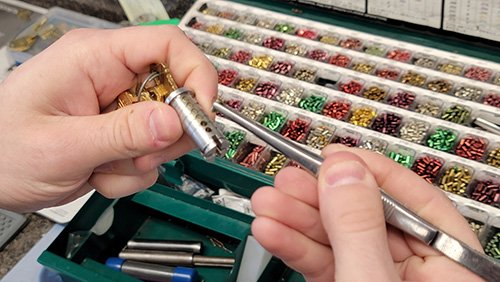
Lock rekeying is a process that modifies the internal lock cylinder so it works with a new key while keeping the existing hardware in place. Unlike lock replacement, which requires installing a brand-new lock, rekeying changes the pins in the lock cylinder to match the cut pattern on a new key. This is a cost-effective way to enhance security without changing the entire lock.
- Remove the lock from the door and remove the internal lock cylinder.
- Remove the old pins from the cylinder and insert a new key cut for your rekeying job.
- Insert new pins into the cylinder that precisely match the cuts on the new key.
- Reinsert the cylinder into the lock and reattach the lock to the door.
- Test the lock to make sure it’s working perfectly.
- Repeat for any additional door locks the customer wants to be rekeyed.
When Should You Rekey Your Locks?
Rekeying is recommended for various security needs. New homeowners and renters should rekey locks to ensure previous occupants, contractors, or real estate agents no longer have access. If keys are lost or stolen, rekeying prevents unauthorized entry without requiring an entirely new lock.
For businesses, rekeying is useful after employee turnover to maintain security without replacing multiple locks. Many homeowners also rekey multiple locks to work with a single key, reducing the number of keys they carry. Additionally, upgrading to a master key system allows different access levels within a property while using a single key for select doors.
Single and Multiple Lock Rekeying Services
Master Key Systems & Rekeying for Smart and High-Security Locks
For smart locks and high-security locks, rekeying is often an option instead of full replacement. We can reprogram smart locks and adjust internal security pins on high-security cylinder locks, ensuring the new key functions smoothly while maintaining the lock’s advanced protection. This includes services like rekeying Kwikset SmartKey locks and adjusting pins in high-security locks to match a new key.
We Are Tampa, FL, Lock Rekeying Experts
Do you need lock rekeying services in Tampa, FL? Whether you want to rekey multiple locks to use the same key, set up a master key system, or improve home security, we can help. Contact Locksmith and Doors today for professional rekeying services!

Contact us to get a free quote or schedule a mobile service appointment.
Call or Text us at
Inquiry Form
Lock Rekeying Services FAQs
How long does lock rekeying take?
Can all locks be rekeyed?
Should I rekey or replace my locks?
When should you hire a professional locksmith for rekeying?
However, even with the right tools, rekeying can present some challenges. Common issues include damaging small components like springs, having trouble removing the cylinder plug, or misaligning pins during reassembly. Precise measurement of new pins is crucial—one small mistake can mean the lock won’t function properly. For those new to the process, these hurdles can quickly turn a simple project into a frustrating one.
That’s why many homeowners and property managers in Tampa, FL, choose to rely on a professional locksmith. An experienced pro knows how to handle a wide range of lock types, spot potential problems before they start, and rekey multiple locks efficiently—saving you both time and stress. Plus, you’ll have peace of mind knowing the work is done right the first time.
How much does lock rekeying cost?
Can you rekey all the locks in my home to use the same key?
Is lock rekeying a good option for rental properties?
What security measures should you consider after rekeying your locks?
Once your locks have been rekeyed, it’s a great time to take a closer look at your home’s overall security and ensure you’re truly protected. Here are a few tips to keep your property even more secure after rekeying:
- Be Selective With Spare Keys: Only give keys to trusted family members or friends. Avoid hiding spare keys outside—burglars know all the common spots.
- Upgrade Your Hardware: Consider adding high-quality deadbolts, door armor, or reinforcing plates for extra peace of mind.
- Check All Entry Points: Walk around your property and make sure every door, window, and garage entry is properly secured with functional locks.
- Review Who Has Access: Maintain a record of who has copies of your new keys and update it when you provide new ones or retrieve old ones.
- Consider Access Control Solutions: If you have multiple entry points or need to provide access to several people (such as house cleaners or pet sitters), a master key system or smart lock may enhance convenience without sacrificing security.
Taking these steps after rekeying will help you maximize both convenience and protection in your home or business.
What additional steps can you take to enhance home security after rekeying locks?
What Else Can You Do to Improve Home Security After Rekeying?
Once your locks have been rekeyed, it’s a great opportunity to review and upgrade other aspects of your home’s security. Here are some expert tips to safeguard your property even further:
- Distribute Keys Responsibly: Only provide spare keys to trusted friends, family, or neighbors. If possible, keep a record of who has a copy.
- Add Extra Layers of Protection: Think about installing additional deadbolts or upgrading to high-security locks from brands like Schlage or Medeco for entry doors.
- Install Security Hardware: Reinforce doors with strike plates, door armor kits, and longer screws in hinges to make forced entry more difficult.
- Integrate a Master Key System: If you have multiple entry points, a master key system can give you convenient yet controlled access—ideal for managing different doors around the house or property.
- Review Access Points: Double-check that all doors and windows lock securely. Entry points like back doors, garage side doors, and sliding doors are often overlooked.
- Consider Smart Security Upgrades: Enhance your setup with smart doorbells (such as Ring), security cameras, or a monitored alarm system to keep tabs on any activity around your home.
By pairing your newly rekeyed locks with these measures, you’ll have greater peace of mind and a comprehensive approach to home security in Tampa, FL.
What services and expertise do professional locksmiths offer compared to hardware stores?
Hardware Stores vs. Professional Locksmiths: Which Should You Choose?
If you’re considering where to turn for lock rekeying, both hardware stores and professional locksmiths offer possible solutions—but with important differences.
Hardware Stores
Many local hardware stores, such as The Home Depot, Ace Hardware, or Lowe’s, do provide basic lock rekeying services. The process typically involves bringing your lock or cylinder to the store, where staff can rekey standard residential locks, like deadbolts and knob sets. Hardware stores are a convenient one-stop shop, especially if you’re already there for other home improvement needs.
For the DIY enthusiast, hardware stores also sell rekeying kits (like Kwikset SmartKey or Schlage kits), and staff may provide helpful guidance. However, keep in mind:
- Hardware stores generally can only rekey certain brands and simple lock types.
- Their ability to assist with advanced locks—like high-security, smart, or commercial systems—is usually limited.
- DIY attempts may void warranties or leave your property insecure if not done correctly.
Professional Locksmiths
Choosing a professional locksmith delivers several advantages that go beyond basic rekeying:
- On-site Service: Locksmiths come to you, meaning there’s no need to remove and transport your locks.
- Expertise: Whether you have complex master key systems, high-security Medeco or Mul-T-Lock cylinders, or smart locks from Yale or August, locksmiths have the tools and training to handle them all.
- Personalized Solutions: Locksmiths can evaluate your property and recommend the most secure, convenient setup tailored to your needs, whether residential, commercial, or multi-unit.
- Troubleshooting: Should anything unexpected arise—from stuck lock cylinders to missing parts—a locksmith can diagnose and solve the problem on the spot.
- Comprehensive Security: Beyond rekeying, locksmiths can provide extra services like lock repair, upgrades, installation, and security assessments.
While locksmiths may charge more upfront than a hardware store, their professional service, in-depth knowledge, and ability to ensure your property’s security often make them the preferred choice—especially when security and peace of mind are top priorities.
Where can you get locks rekeyed, such as hardware stores or locksmiths?
Where Can You Get Locks Rekeyed? Hardware Stores vs. Locksmiths
If you’re wondering where to have your locks rekeyed, you have a couple of practical options in Tampa, FL: hardware stores and professional locksmiths.
Hardware Stores:
Many major hardware chains, such as Home Depot and Lowe’s, offer basic lock rekeying services at their in-store locations. This is particularly convenient if you’re already shopping for home improvement items. Typically, you’ll need to bring the lock or the lock cylinder to the store’s customer service or key center. While hardware stores can handle standard locks and may even sell DIY rekeying kits if you’re feeling ambitious, their scope is generally limited to simple residential locks and products they carry.
Professional Locksmiths:
For more specialized needs—like high-security locks, complex master key systems, or smart locks—a certified locksmith is your best bet. Professional locksmiths, such as Locksmith and Doors, offer mobile rekeying services, coming directly to your home or business for added convenience. Locksmiths bring the tools, expertise, and flexibility to address unexpected issues, rekey multiple locks on-site, and provide advice tailored to your specific security needs. While their services may come at a higher price point than hardware stores, you benefit from professional workmanship and personalized recommendations.
Whether you prefer dropping your lock off at a hardware store or scheduling a mobile locksmith to visit your property, both options can get your locks rekeyed efficiently based on your situation and security requirements.
What challenges or common problems might you encounter when rekeying a lock?
Rekeying a lock may seem simple, but there are several bumps in the road that homeowners often face. If you’re tackling rekeying yourself, you could run into:
- Tiny springs and pins escaping: Locks contain very small internal parts that are easy to lose or misplace—one dropped pin and the smooth process can quickly go sideways.
- Difficulty with cylinder removal: Sometimes, getting the lock cylinder out of the door or hardware requires a bit of finesse and the right tools.
- Incorrect pin placement: Mixing up or misaligning pins when reassembling the lock can cause the lock to jam, making it tough to turn the key or even rendering the lock unusable.
- Improper measurements: New pins must match your key perfectly; if not, you’ll probably find yourself locked out or struggling with a sticky key.
- Reassembly mistakes: Putting the lock back together incorrectly can lead to misaligned mechanisms, which affect security and usability.
If you’re unsure about any step, or if the lock feels rough or uncooperative after rekeying, it’s wise to have a professional locksmith step in. An expert will have the right tools, experience, and patience to ensure everything works smoothly—saving you time and avoiding the cost of further repairs.
What are the advantages and limitations of having locks rekeyed at a hardware store?
Pros and Cons of Rekeying Locks at a Hardware Store
If you’re considering rekeying your locks, hardware stores like Ace Hardware or Home Depot can be a handy option—especially if you’re already there picking up paint or a new plunger. One of the main advantages is convenience: just bring your lock or its cylinder to the counter, and the staff can often rekey it on-site while you wait. They also stock rekeying kits from brands like Kwikset and Schlage for the DIY-inclined, with staff ready to answer basic questions if you want to tackle the job yourself.
However, there are some important limitations to keep in mind. Hardware store technicians typically handle only common residential locks—specialty, high-security, or commercial-grade locks may be outside their expertise or capability. If your lock is part of a smart home system or a complex master key setup, you’ll need a locksmith with advanced tools and knowledge. Finally, while staff can give pointers, you won’t get the same precision, thoroughness, or on-site troubleshooting that a professional locksmith in Tampa, FL, provides when they come to your location.
So, while hardware stores can offer a quick and affordable solution for straightforward rekeying jobs, they aren’t equipped for every type of lock or security need. For more complex situations or if you want everything handled at your doorstep, calling a local locksmith is still your best bet.
How should you maintain a newly rekeyed lock?
To keep your newly rekeyed lock working smoothly and to extend its lifespan, a little routine care goes a long way:
- Lubricate Annually: Use a silicone-based spray, such as WD-40 Specialist or Tri-Flow, once a year to keep internal components moving easily. Avoid oil-based lubricants like standard WD-40, as these tend to gather dust and grime.
- Inspect for Wear: Occasionally tighten any loose screws and check for signs of rust or damage on both the lock face and hardware—catching small issues early can prevent bigger headaches later.
- Keep It Clean: Wipe the lock clean with a dry cloth to remove dust and debris. Steer clear of abrasive cleaners, which can damage the finish and internal mechanisms.
- Check Key Function: Test your keys every so often to make sure they’re operating smoothly. If you notice any sticking or difficulty turning, it’s time for another round of lubrication or a quick look by a locksmith.
Regular maintenance helps ensure your locks stay secure and reliable, giving you lasting peace of mind.
What are the differences between disc tumbler, pin tumbler, and wafer tumbler locks in terms of rekeying?
Not all locks are created equal—especially when it comes to rekeying. The type of lock you have plays a big part in how straightforward—or tricky—rekeying will be.
Pin Tumbler Locks:
These are the classic choice for most homes in Tampa (think your standard deadbolts and entry knobs from brands like Schlage and Kwikset). Rekeying a pin tumbler lock typically means swapping out the internal pins to match a new key pattern. Most locksmiths carry the necessary tools to handle these, making the process quick and efficient.
Wafer Tumbler Locks:
You’ll often find wafer tumbler locks in older homes, cabinets, or even some cars. Instead of pins, they use thin flat wafers. Rekeying here involves replacing those wafers to fit a new key. The process is similar to pin tumbler locks, but wafer locks tend to be less secure and a bit more finicky for key matching.
Disc Tumbler Locks:
Disc tumbler locks, popular in certain padlocks and some specialty doors, operate with a series of rotating discs rather than pins or wafers. Rekeying these can be more challenging and may require specialized tools or expertise not needed for standard residential locks. Because of their unique mechanism, not all locksmiths offer rekeying for disc tumbler locks—so it’s worth checking before bringing one in.
In short: pin tumbler locks are usually the most straightforward to rekey, wafer tumbler locks require a similar approach but with different internals, and disc tumbler locks are the most complex, sometimes making rekeying impractical for everyday services.
How much does professional lock rekeying typically cost?
How much does lock rekeying cost?
The cost depends on the number of locks being rekeyed and whether additional services, such as key duplication or smart lock rekeying, are needed. Typically, professional rekeying services range from $50–$100, depending on the type and quantity of locks and your location. While this is more than a DIY rekey, hiring a professional ensures the job is completed efficiently and with a high-quality result.
What are the benefits of hiring a professional locksmith to rekey your locks?
Beyond just having the right equipment, a locksmith brings expertise in handling a variety of lock types and can quickly address any unexpected complications that might arise during the process. With professional service, you can expect efficient results—especially helpful if you need to rekey multiple locks—and the peace of mind that comes with guaranteed workmanship, often including a warranty. Hiring a pro ultimately saves you time and ensures your locks are secure and functioning smoothly.
What are the step-by-step instructions for rekeying a lock?
Here’s a brief overview of the lock rekeying process:
- Remove the lock from the door and remove the internal lock cylinder.
- Remove the old pins from the cylinder and insert a new key cut for your rekeying job.
- Insert new pins into the cylinder that precisely match the cuts on the new key.
- Reinsert the cylinder into the lock and reattach the lock to the door.
- Test the lock to make sure it’s working perfectly.
- Repeat for any additional door locks the customer wants to be rekeyed.
To give you a clearer picture, here’s how the process typically unfolds:
Step 1: Remove the Lock Cylinder
First, the lock must be carefully removed from your door. This allows access to the internal cylinder, which is the core component we’ll be working with.
Step 2: Disassemble the Lock
Next, the current key is inserted and turned to a specific position so that the pins inside align properly. Using a special tool called a plug follower, the cylinder plug is pushed out, exposing the old pins and springs inside.
Step 3: Replace Pins and Springs
With the cylinder open, the old pins are removed. A new key is inserted, and a key gauge is used to determine the correct size for each pin. New bottom pins are placed into the plug chambers to match the new key’s unique cuts, and fresh springs are added on top of each pin to ensure smooth operation.
Step 4: Reassemble and Test
Once the cylinder is loaded with new pins and springs, the plug is carefully reinserted into the cylinder. The lock is then reassembled, reattached to your door, and the new key is tested to confirm everything works flawlessly.
This method is both efficient and secure, allowing you to maintain your existing hardware while ensuring only the new key will operate your locks.
What are the pros and cons of do-it-yourself (DIY) lock rekeying?
Can I rekey my locks myself?
However, if you’re considering the DIY route, it’s important to weigh the pros and cons before diving in.
DIY rekeying can be cost-effective and a great way to build your home improvement skills. You can work at your own pace and may save some money on labor. But there are some potential drawbacks: without the right tools and experience, you could accidentally damage the lock or compromise your security if things aren’t reassembled perfectly. DIY rekeying can also be more time-consuming than expected, especially if you have multiple locks or run into complications.
If you’re handy and enjoy tackling projects, DIY rekeying kits are available for certain brands like Kwikset and Schlage. Just remember: for most homeowners, hiring a professional is the surest way to get the job done safely and efficiently.
How do you remove and disassemble a lock cylinder during the rekeying process?
Here’s a brief overview of the lock rekeying process:
- Remove the lock from the door and remove the internal lock cylinder.
- Remove the old pins from the cylinder and insert a new key cut for your rekeying job.
- Insert new pins into the cylinder that precisely match the cuts on the new key.
- Reinsert the cylinder into the lock and reattach the lock to the door.
- Test the lock to make sure it’s working perfectly.
- Repeat for any additional door locks the customer wants to be rekeyed.
Let’s break it down a bit further for clarity:
- Remove the Lock Cylinder: Begin by carefully taking the lock off the door. Locate and remove the retainer ring or clip to access the internal cylinder.
- Disassemble the Lock: Insert the current key and turn it to the proper position to align the pins. Use a plug follower tool to gently push out the cylinder plug, being mindful not to lose any small parts.
- Replace Pins & Reassemble: Take out the old pins and springs, then insert new pins to match your new key’s cut pattern. Reassemble the lock by reversing the process, reinstall the lock on your door, and test with the new key to ensure smooth operation.
By following these steps, we ensure each lock is precisely rekeyed to your security needs, whether it’s for a single entry or every door in your home or business.
What tools and materials are needed to rekey a lock?
Rekeying requires special tools like a rekeying kit, key gauge, and pusher device. A professional locksmith ensures the job is done correctly. If you’re curious about the process, here’s what’s typically involved:
- Flathead screwdriver – for removing lock hardware
- Key gauge (optional) – helps identify the correct key pins
- Needle-nose pliers – handy for handling tiny lock pins and springs
- New keys – so your rekeyed locks have a fresh start
- Rekeying kit (matched to your lock’s brand) – includes new pins, springs, and tools needed for the job
These tools allow the locksmith to safely disassemble the lock, swap the internal pins, and ensure your new key works smoothly with your existing hardware.
When you need convenient, affordable mobile locksmith service in the Tampa, FL metro region, you can count on Locksmith and Doors.
Here are some of the cities and towns in the Tampa, FL metro region we provide service to:
Apollo Beach, FL | Brandon, FL | Bradenton, FL | Carrollwood, FL | Citrus Park, FL | Clearwater, FL | Dade City, FL | Dunedin, FL | Gibsonton, FL | Lithia, FL | Lakeland, FL | Land O’ Lakes, FL | Largo, FL | Longboat Key, FL | Lutz, FL | Mango, FL | Oldsmar, FL | Plant City, FL | Pinellas Park, FL | Ruskin, FL | Riverview, FL | Sun City Center, FL | Seffner, FL | St. Petersburg, FL | Sarasota, FL | St Pete Beach, FL | Siesta Key, FL | Tampa, FL | Thonotosassa, FL | Temple Terrace, FL | Town ’n’ Country, FL | Treasure Island, FL | Valrico, FL | Wimauma, FL | Wesley Chapel, FL | Westchase, FL | Zephyrhills, FL